
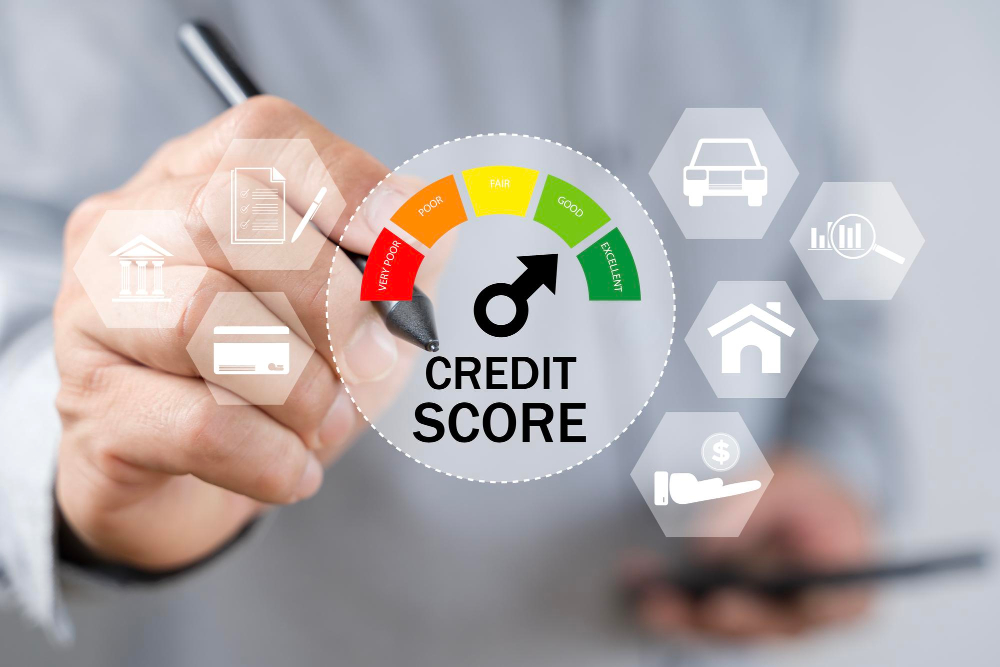
Your credit score plays a crucial role in your financial health — it reflects your creditworthiness and influences how much you can borrow, the interest rate you’ll pay, and the fees you may incur.
Your score is based on your credit report, which tracks:
- ➤ Payment history
- ➤ Total debt owed
- ➤ Length of credit history
- ➤ Types of credit used
- ➤ Frequency of credit applications
In Canada and the U.S., most lenders use the FICO credit score system (300–900).
- ➤ A higher score increases your chances of mortgage approval and better loan terms.
- ➤ A lower score makes borrowing harder and more expensive.
Example:
- ➤ With a score of 750+, you may qualify for a mortgage with a low interest rate and smaller down payment — saving you thousands over time.
- ➤ With a score below 600, you may face higher rates, larger down payments, and higher monthly costs.
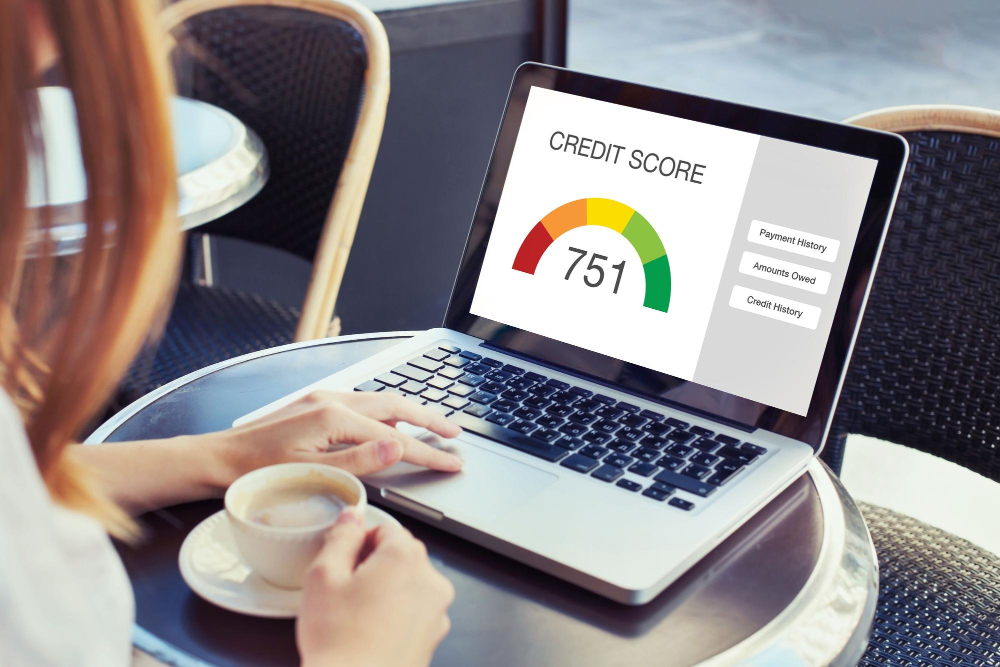
Key Factors That Impact Your Credit Score
#1 Defaulting on a Loan ➝ The most damaging factor. Defaults can stay on your report for up to 7 years.
#2 Late Payments ➝ Even one missed payment can significantly lower your score.
#3 Credit Utilization ➝ Keep balances below 30% of your credit limit to show responsible usage.
#4 Credit Applications ➝ Too many “hard inquiries” in a short time suggest higher risk.
#5 Closing Credit Accounts ➝ Shortens your credit history and can hurt your score.

How to Maintain a Healthy Credit Score
✅ Pay bills on time, every time.
✅ Keep credit card balances below 30% of your limit.
✅ Apply for new credit only when necessary.
✅ Check your credit report regularly and dispute errors.
✅ Build a long credit history (consider a secured credit card if you’re just starting).

Steps to Rebuild or Improve Your Credit
#1 Get Your Credit Report
Request a free copy from Equifax or TransUnion. Review carefully and dispute any errors.
#2 Pay Down Debt
Lowering balances improves your credit utilization ratio, which boosts your score.
#3 Budget & Pay on Time
Use a budgeting app or simple spreadsheet to prioritize bills and avoid late payments.
#4 Seek Professional Help
If you’re overwhelmed, a credit counselor or financial advisor can guide you through debt management and rebuilding strategies.


information is deemed reliable but not guaranteed. Sourced in part from the Toronto Regional Real Estate Board (TRREB). Provided solely for consumers with a bona fide interest in the purchase, sale, or lease of real estate. Unauthorized use, reproduction, or distribution is strictly prohibited.